Possibilities
A discovery platform for independent makers
Introduce the people, materials and practical buying details behind a carefully selected collection.
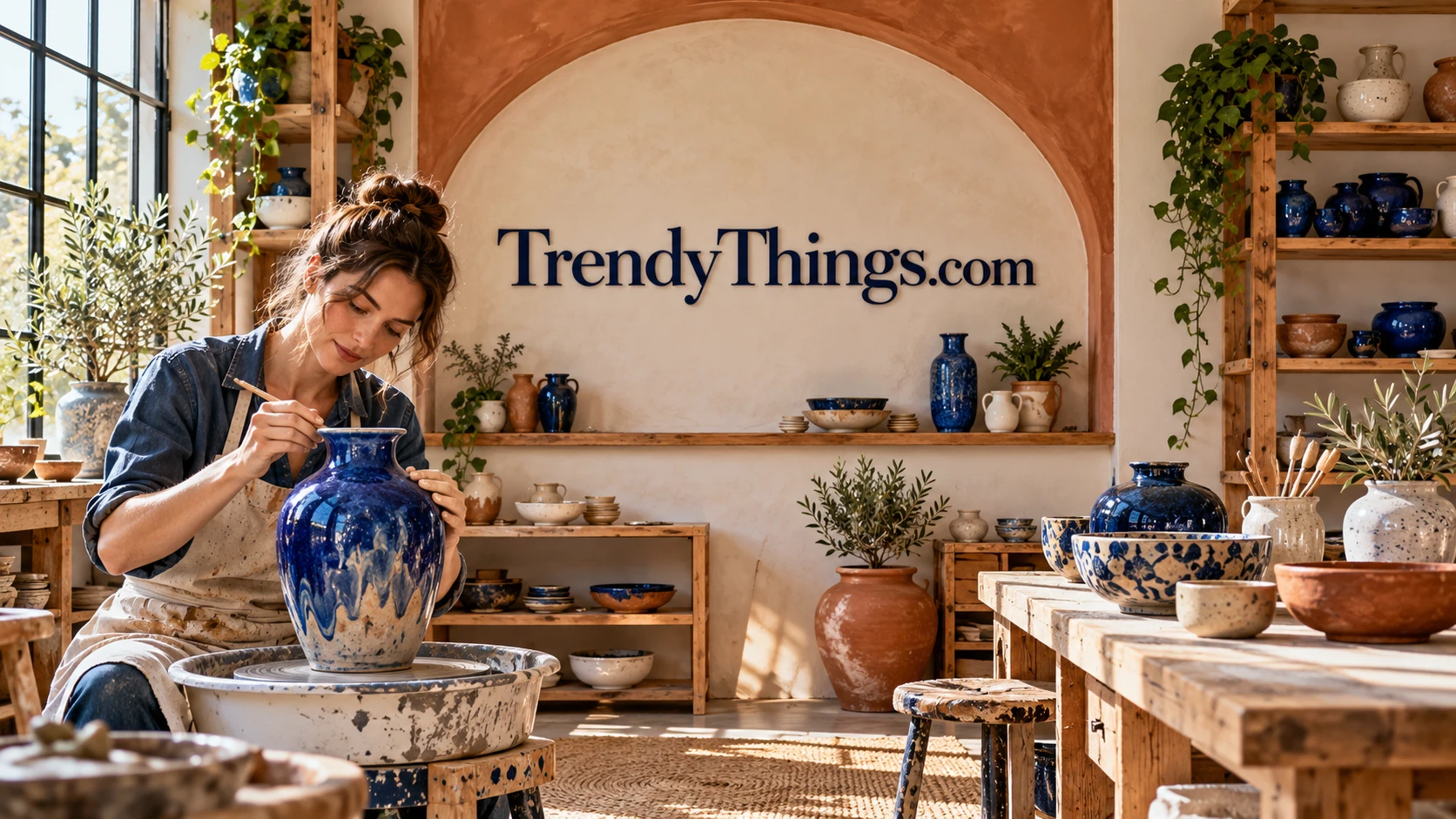
Independent makers can create objects with a strong point of view, yet a visitor still needs help understanding what makes an item relevant to their own life. A discovery platform could combine a useful product edit with the context usually found across a maker's website, social feed and conversations with customers. The goal would be to make that context easier to understand, with the maker's permission and accurate information.
TrendyThings.com could serve as the address for such a platform. An early version might publish a handful of profiles and link visitors to the makers' own shops. A later marketplace would introduce a much larger set of responsibilities. This concept starts with editorial discovery so a founder can learn what buyers and makers need before designing payment flows or promising shared fulfillment.
Choose a coherent first group
Begin with five makers serving a related customer need, such as practical pieces for a small dining table. A shared use case gives visitors a reason to compare the work and helps the platform maintain a consistent editorial standard. A random collection of unrelated makers would make it harder to explain why the platform exists. Geography, material or production method could be additional filters, but should serve the visitor rather than simply decorate the story.
Obtain each maker's consent before publishing a profile or using images. Agree which claims the maker can substantiate, who owns the photographs and how updates will be handled. A founder should not infer handmade production, environmental benefits or local sourcing from an attractive studio photograph. Keep the approved information in a record that can be checked when the profile changes.
Show the work and the object
A useful profile introduces the maker's approach, then connects that approach to the product. A description of a glaze becomes more helpful when it explains expected variation, cleaning or suitability for a particular use. A production photograph should show an activity that matters to the object, rather than act as a generic authenticity signal. Avoid invented first-person quotations and let the maker review factual descriptions attributed to them.
Product information deserves the same care as the profile. State dimensions, material, lead time and whether the item is made to order. Explain where to buy, who takes payment and who handles a delivery problem. A visitor arriving from a beautiful editorial page should not have to untangle the commercial relationship. If the first version links out to a maker's shop, make that transition clear before the person leaves.
Agree the operating relationship
An editorial directory and a marketplace are different businesses. In a directory, the maker may handle the entire sale at its own store. In a marketplace, the platform needs defined responsibilities for onboarding, money movement, refunds, support and disputes. A commission arrangement does not automatically resolve those questions. Document the proposed relationship in ordinary language before selecting the software that will implement it.
For a future transactional version, Stripe's marketplace overview describes payment infrastructure for platforms connecting buyers and sellers. That is one primary source for understanding the shape of the work, not a recommendation that a particular provider fits every operator. Requirements depend on the parties, countries and business model. The founder would need to assess those details with suitable advice before launch.
Keep the selection credible
Publish the criteria for inclusion. They might cover product relevance, complete information, reliable communication and permission to use media. A maker's willingness to pay should not silently replace those standards. If paid placements become part of the model, label them and explain how they relate to the independent edit. A clear policy protects the usefulness of the publication as it grows.
Build an update routine that is manageable for the makers. A short confirmation of current availability may be more realistic than expecting every small producer to maintain another complex dashboard. For the site's own forms, W3C's labeling guidance provides a practical foundation for making submission controls understandable. Ask only for information the platform will actually use and explain what becomes public.
Run a modest pilot
A first pilot could include five approved profiles, a small product selection and a visible route to each maker. Watch how visitors move from a story to a product and record the questions that remain. Ask the makers whether the profile represents them accurately and whether the referrals are relevant. Do not treat page views as proof that a marketplace should be built. Look for evidence about what the editorial context helps people understand.
After that pilot, decide which work is worth owning. The platform might remain an editorial destination, become a referral business or develop a carefully limited marketplace. TrendyThings.com leaves room for those directions under one name. The next step is not to recruit hundreds of sellers; it is to agree a useful format with five consenting makers, publish dependable information and learn whether that context improves a real buying decision.
Let makers share an approved story
Ask each consenting pilot maker whether they want to co-publish their approved profile through their own newsletter or social account. Supply a clear link and an accurate introduction that the maker can edit or decline. This gives the first profiles a plausible route to people already interested in the work without claiming an existing audience for the platform. Compare the questions visitors ask after reading the profile, and let makers review whether those introductions were relevant.
Make room for your next idea.
Explore the opportunity to acquire TrendyThings.com.